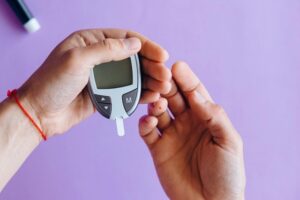
Prediabetes is a condition that affects millions of people, yet many are unaware they have it. It often develops quietly, without clear symptoms, making it easy to overlook. Despite this, prediabetes is one of the most important early warning signs the body gives before Type 2 diabetes develops. Understanding prediabetes provides an opportunity to take action early and protect long-term health.
What Is Prediabetes?
Prediabetes means that blood sugar levels are higher than normal but not high enough to meet the criteria for Type 2 diabetes.
It occurs when the body begins to lose sensitivity to insulin, a hormone that allows sugar to move from the bloodstream into cells for energy. As insulin becomes less effective, blood sugar levels remain elevated for longer periods.
Prediabetes signals that metabolic health is under strain, but it also represents a stage where meaningful change is still possible.
How Prediabetes Is Diagnosed
Prediabetes is typically identified through routine blood tests, including:
- A1C test, which reflects average blood sugar levels over approximately three months
- Fasting blood glucose, measured after an overnight fast
- Oral glucose tolerance test, which assesses how the body responds to sugar intake
A diagnosis of prediabetes does not mean diabetes is inevitable, but it does indicate increased risk without intervention.
Why Prediabetes Often Goes Unnoticed
In most cases, prediabetes causes no obvious symptoms.
Many individuals feel generally well and attribute fatigue or weight changes to stress or lifestyle factors. As a result, prediabetes is frequently discovered during routine checkups rather than through noticeable physical changes.
This lack of symptoms makes awareness and screening especially important.
Why Prediabetes Matters
Prediabetes reflects real physiological changes that can progress over time.
Without intervention:
- Blood sugar levels often continue to rise
- Insulin resistance can worsen
- The likelihood of developing Type 2 diabetes increases
Prediabetes is also associated with elevated cardiovascular risk, even before diabetes develops.
The critical point is that prediabetes represents a window for prevention, where early action can significantly alter outcomes.
Who Is at Risk for Prediabetes?
Several factors increase the likelihood of developing prediabetes, including:
- Family history of Type 2 diabetes
- Excess body weight, particularly around the abdomen
- Low levels of physical activity
- Chronic stress and poor sleep
- Diets high in sugary drinks and highly processed foods
- History of gestational diabetes
Prediabetes is increasingly observed in adolescents and young adults, highlighting the importance of early education and awareness.
How Daily Habits Influence Prediabetes
Prediabetes is closely tied to everyday behaviors.
Habits that may worsen insulin resistance include:
- Frequent consumption of sugary beverages
- Diets dominated by refined carbohydrates
- Extended periods of physical inactivity
- Irregular sleep schedules
- Ongoing stress
Conversely, improving these habits can help restore insulin sensitivity and stabilize blood sugar levels over time.
Can Prediabetes Be Reversed?
For many individuals, prediabetes can be improved and sometimes reversed through consistent lifestyle changes.
Effective strategies often include:
- Emphasizing whole, minimally processed foods
- Reducing intake of added sugars and sugary drinks
- Increasing daily physical movement
- Prioritizing sleep quality
- Managing stress levels
The goal is sustainable change rather than short-term perfection.
Why Early Awareness Is Essential
Identifying prediabetes early allows individuals to intervene before lasting damage occurs.
At this stage:
- Pancreatic function is often preserved
- Blood vessels have sustained less damage
- Lifestyle changes are more effective
Delaying action until diabetes develops typically makes management more complex and increases the risk of complications.
Key Takeaways
- Prediabetes is a state of elevated blood sugar that precedes Type 2 diabetes
- It often develops without symptoms, making routine screening important
- Prediabetes increases the risk of Type 2 diabetes and cardiovascular disease
- Early lifestyle-based interventions can significantly reduce progression risk
- Awareness and early action provide the greatest opportunity for prevention

